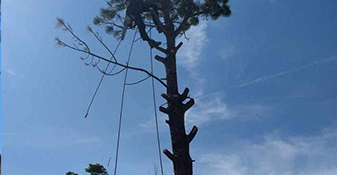
Cutting down a tree on your property may feel like a personal decision. After all, it’s your land, tree, and reason. But that assumption could cost you. Many cities, towns, and counties have laws that protect trees, so cutting one down without permission could lead to big fines or even legal action.
Whether your tree is just in the way, leaning dangerously, or diseased, the process is not as easy as getting a chainsaw and starting. One has forms, policies, and inspections to take into account. This blog will walk you through the steps to safely and legally remove a tree, helping you avoid fines and unexpected problems with your city or neighbors.
Check Your Local Tree Protection Laws First
Before you do anything else, find out what your local laws say about tree removal. Tree protection rules vary by city, county, and even by neighborhood. What’s allowed in one area might be illegal in another.
Many places have ordinances that:
Permit approval must be obtained to cut down trees of specific sizes or species.
Protect native or heritage trees due to their age or ecological importance.
Restrict removal in certain zones like floodplains or wildlife corridors.
Set rules for trees that sit near sidewalks, streets, or public utilities.
This kind of information is usually posted on the website for your city or county. It’s usually in the planning, zoning, or environmental sections. If not, a quick call to the government office in your area can help. Even if your tree is dead or looks dangerous, don’t assume you can cut it down without checking the rules first. A quick verification now can help you avoid costly penalties later.
Understand When a Permit Is Required
In many areas, getting a permit is not just a suggestion; it’s required by law whether the tree is healthy, sick, or dying. A removal permit ensures that the action is reviewed and documented.
You may need a permit for reasons such as:
The tree has a trunk larger than a certain diameter (often measured 4 feet from the ground).
The tree belongs to a protected species listed by your city.
Your property is part of a conservation area, historic district, or shared open space.
The tree borders public land or sidewalks.
To apply for a permit, you may need to fill out a form, provide a sketch or map of the tree’s location, include photos, and pay a small fee. An arborist’s report might be necessary in some circumstances, particularly if the tree is thought to be sick or dying. Plan ahead because getting a permit can take from a few days to a few weeks. Starting work without approval could lead to fines and may even stop your project completely.
Hire a Professional Tree Removal Company
Even if you’re confident with tools, removing a tree is not the kind of job most homeowners should take on themselves. Hiring a professional is often the safest and most reliable choice, especially if you want to avoid problems during or after the removal.
Licensed and insured tree service companies can help with:
Confirming whether a permit is required.
Applying for and handling the permit process.
Ensuring the tree is safely cut, especially near structures or power lines.
Removing large trees or stumps without damaging your property.
Choose a business with transparent pricing, appropriate credentials, and good customer ratings. Verify their familiarity with your local city policies. You can save time and avoid harm or damage to your property by using a skilled service. They often work directly with city inspectors, which helps everything stay legal and smooth.
Know When You Can Remove a Tree Without a Permit
In certain situations, a permit may not be required for tree removal. However, even in these situations, it’s wise to document everything in case questions arise later.
A permit may not be required to remove a tree if:
It is dead and not recoverable.
It fell over naturally due to wind or weather.
It poses an immediate danger to your home or safety.
It is a small tree of a certain size or size not on the protected list.
In emergencies, like storm damage or falling limbs, cities usually allow you to remove the tree immediately. But, you may still be required to notify your local government and submit photos showing the tree’s condition before and after removal. When in doubt, call your local planning office and ask.
Be Careful With Property Lines and Shared Trees
Another common mistake that can lead to fines or disputes is removing a tree that does not fully belong to you. Just because a tree is in your yard does not mean it’s entirely yours to remove.
Here’s what to watch for:
Shared Trees
The tree is usually considered shared if the trunk straddles the property line. Both property owners must agree before it is removed.
Homeowners Association Rules
Some HOAs have their own tree policies. Removing a tree without HOA approval might result in fines or complaints.
Some yards include easements for utilities, drainage, or city maintenance. Trees in these zones may be regulated, even on private land.
Neighborhood Easements
A surveyor can provide a precise map if you’re uncertain about your property boundaries. You may also want to speak with your neighbor before removing a tree near the border, even if it’s on your side. A little communication can prevent conflict or even legal trouble down the line.
Avoid Damaging Nearby Roots or Structures
Even when you’re focused on one tree, the removal process can unintentionally damage nearby roots, driveways, fences, or underground pipes. This type of damage can also result in citations or extra repair costs.
Here’s how to reduce the risk:
Use a certified arborist to evaluate root spread before removal
Avoid digging during wet seasons when soil is soft and more prone to shifting
Check for buried utility lines before stump grinding or root removal
Use barriers to protect nearby landscaping during equipment use
Many fines occur not from cutting the tree but from the damage caused during the removal. Make sure your contractor works carefully and follows all safety standards.
Document the Work and Keep Records
After removing a tree, your job isn’t done. In many cities, there is a requirement to report that the work is complete, especially if you received a permit.
Keep the following records:
A copy of your approved permit
Photos of the tree before and after removal
Any receipts from tree service providers
Notes or documents showing why removal was needed (such as an arborist’s report or emergency notice)
In some areas, you may also be asked to plant a new tree instead of the one removed. If replanting is required, follow your city’s size and species guidelines.
Conclusion:
To properly remove a tree, you need to do more than just cut it down. You also need to follow the rules, be respectful of your neighborhood, and keep your property safe. Every place has its own rules, but if you know what they are, you can stay out of trouble and keep things simple.
Lee’s Trees & More handles tree removal and care with full attention to local laws and safety standards. Whether you need help with permits, inspections, or the removal itself, our team is here to make the process easy and legal from start to finish. Contact Lee’s Trees & More today for responsible and professional tree care that keeps you in compliance.